How to Reduce No-Shows at Clinics (Reminders That Actually Work)
No-shows leave doctor slots idle and cause losses. Discover the causes and how to reduce clinic no-shows with automatic appointment reminders that actually work. Try for free.

cshub
07 Jun 2026 3 min read
2 PM Slot Empty — and No One to Fill It
A patient booked for 2 PM. The doctor and therapist are waiting. The treatment room is ready. It's past 2, and they don't show up. No word at all.
A slot that should have been profitable is left idle. It can't be resold because the day has passed. If this happens several times a week, the total loss is significant — income lost without ever being reported.
No-shows are one of the most silent leaks in a clinic. The good news is that most can be prevented, and it's not complicated.
Why Patients Don't Show Up
It's not because they're inconsiderate. Usually, it's as simple as:
They forget. Booked a week ago, forgot they had an appointment today.
No reminders. After booking, there's no confirmation or reminder at all.
Hard to reschedule. Something unexpected comes up, but it's complicated to change the schedule, so they just don't show up without notice.
The booking doesn't "feel real". Just a brief chat, no clear details, so it's easy to forget.
The pattern is clear: almost all stem from a lack of reminders and difficulty in rescheduling. These are the two things that need fixing.
Step-by-Step Guide to Reducing No-Shows
1. Send confirmation immediately after booking. As soon as a patient books, send clear details: date, time, doctor/therapist, location, and what to bring or prepare. A clear booking feels real, and what's real is less likely to be forgotten.
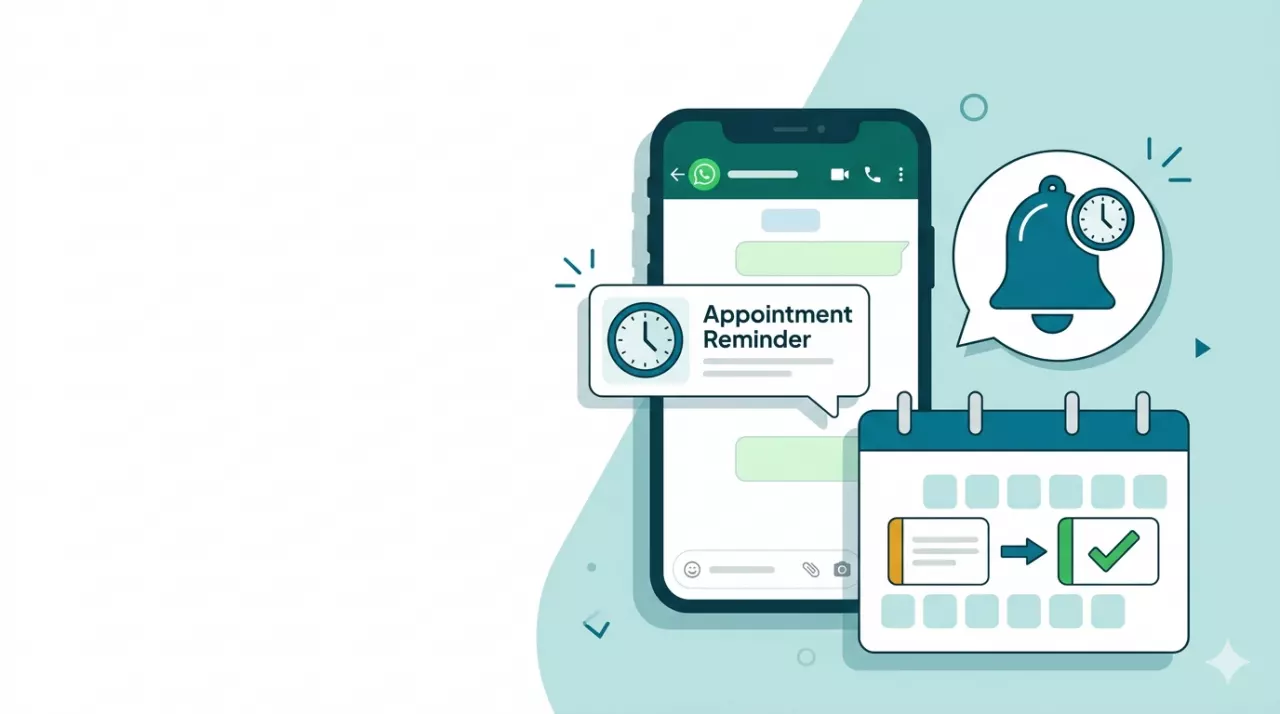
2. Gradual, automatic reminders. Remind them a day before, then again a few hours before the appointment. This is the most impactful point — most no-shows are prevented just by consistent reminders, and it's best done automatically so nothing is missed.
3. Make rescheduling easy. Provide a hassle-free way to shift appointments. Patients who face obstacles but can easily reschedule will return on another date — much better than losing them entirely.
4. Consider a deposit for certain treatments. For treatments with expensive or lengthy slots, a small deposit encourages patients to commit to showing up. It's not necessary for all, just those at high risk.
5. Flag frequent no-show patients. If their history is visible, you can treat them differently — for example, stricter confirmation before holding long slots for them.
Why It Should Be Automatic
Manual reminders are tasks that are easily overlooked. Admins are busy, forgetful, or only have time to remind some patients. The key to reducing no-shows isn't occasional reminders — it's consistent reminders for every patient, every time. This is only realistic if done by a system.
These reminders are part of a larger clinic system.
Close the Gaps
cshub can send automatic appointment confirmations and reminders via WhatsApp, plus make rescheduling easy — without coding. Try it for free and see how many slots have been idle due to no-shows.
Frequently Asked Questions
What are the most common causes of no-shows in clinics? Forgetfulness and lack of reminders. Bookings that aren't confirmed and reminded are easily forgotten by patients.
How effective are automatic reminders? Very. Gradual reminders before appointments are the cheapest and most effective way to reduce no-shows, as long as they are consistently applied to all patients.
Do all treatments need a deposit? No. A small deposit is sufficient for treatments with long or expensive slots, as a commitment booster.
Can reminders be sent automatically via WhatsApp? Yes. Confirmations and reminders can be sent automatically before appointments, ensuring no patient is missed.